




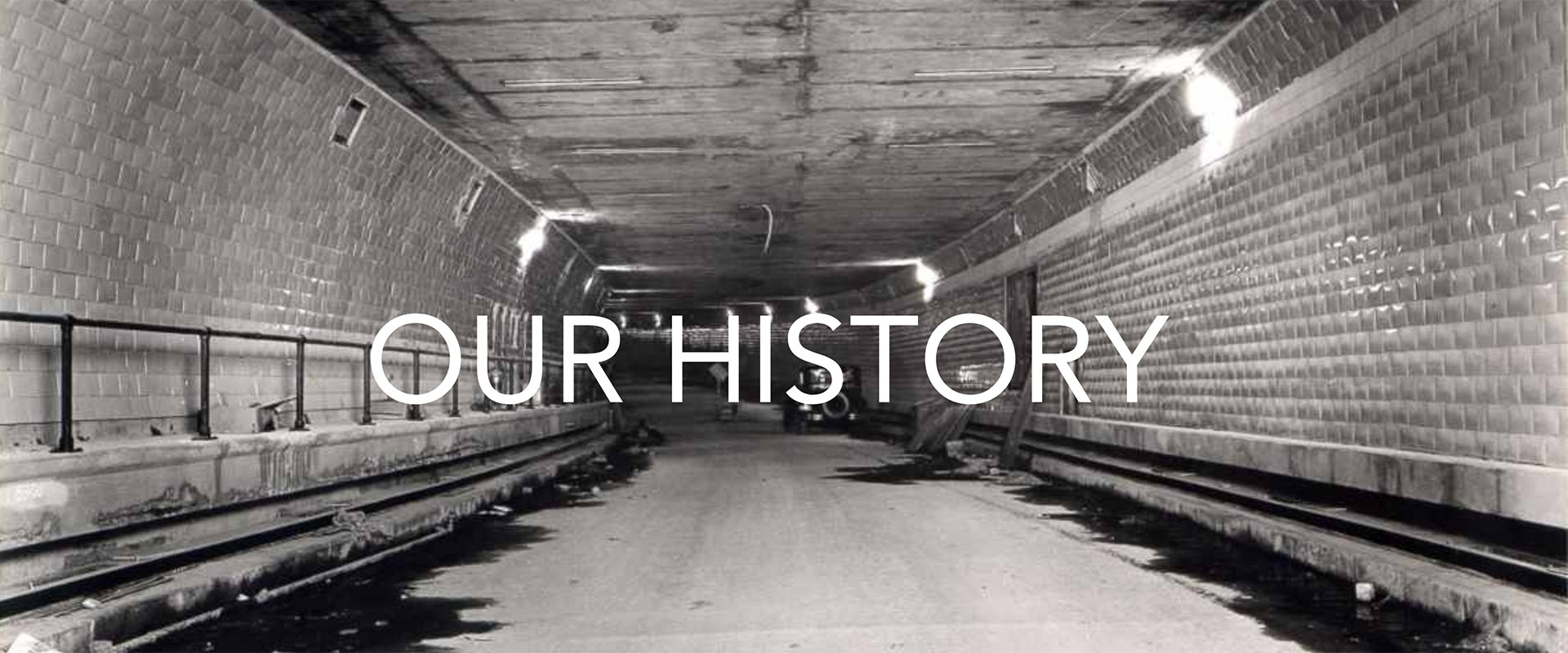
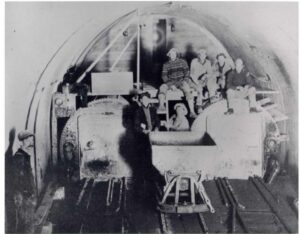
 The story of the Detroit Windsor Tunnel begins with early vision and perseverance. Initial tunnel projects in 1871 and 1878 faced technical and financial challenges, but these attempts laid the groundwork for future success. The opening of the Grand Trunk Railway Tunnel in Port Huron in 1891 sparked renewed interest in Detroit tunnel construction, leading to the Michigan Central Railway Tunnel’s initiation in 1906. However, the growing demand for vehicular transportation called for a different solution.
In 1919, Windsor’s Mayor proposed a bold vision for a vehicular tunnel, facing initial skepticism from experts. Despite these challenges, the project secured backing in 1926, and construction commenced in 1928 using innovative tunneling methods. The tunnel was completed a remarkable year ahead of schedule at a cost of $23 million, taking just six months to complete. On November 1, 1930, the facility was formally dedicated, with President Herbert Hoover turning a symbolic “golden key” in Washington to open the tunnel for public use.
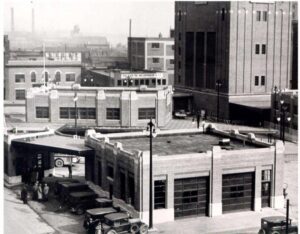 Throughout its history, the tunnel has undergone significant improvements to maintain its infrastructure and enhance user experience. A $50 million renovation in 1993 upgraded the road surface, sidewall tiling, lighting, and video surveillance systems. In 2006, a $25 million renovation modernized the ventilation system, followed by a $30 million ceiling renovation completed in 2018. These investments reflect our ongoing commitment to maintaining this historic structure while meeting the demands of modern international travel.
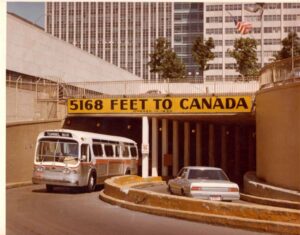 The Detroit Windsor Tunnel’s legacy extends beyond its physical structure. From facilitating crucial transportation during World War II to supporting the automotive industry’s supply chain and fostering international commerce, the tunnel has played a pivotal role in shaping the region’s economic and cultural landscape. Today, it stands as a testament to international cooperation and engineering excellence, continuing to serve as a vital link between two great nations.